Retinal vs Retinaldehyde: Are They the Same Ingredient?
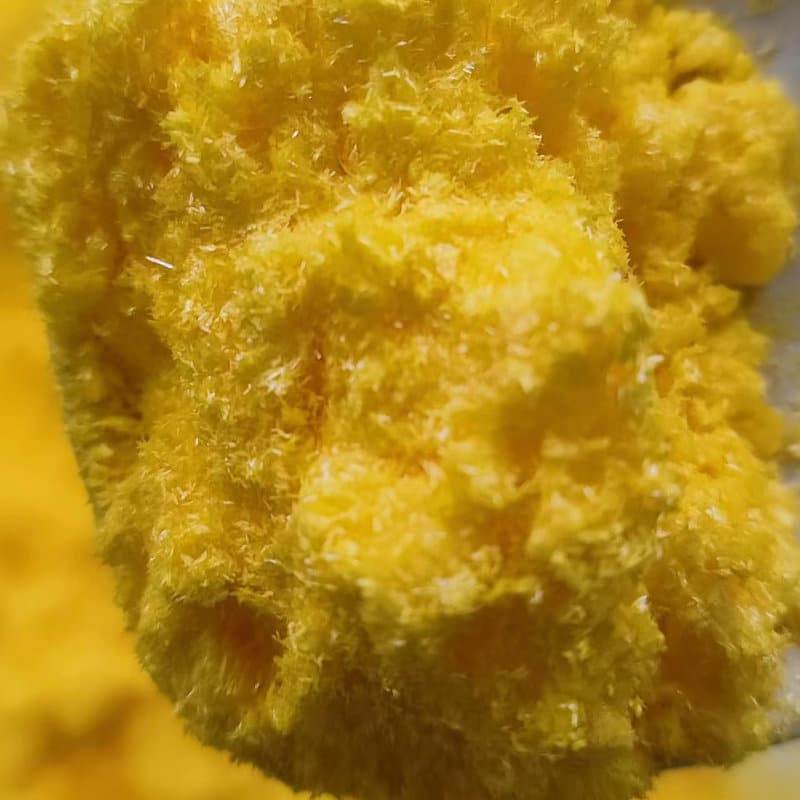
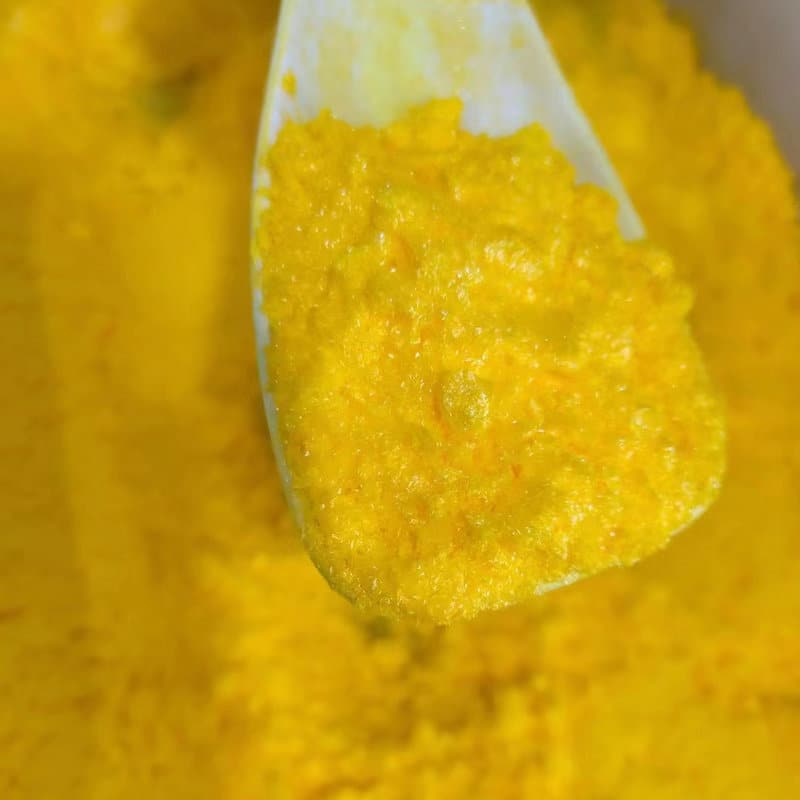
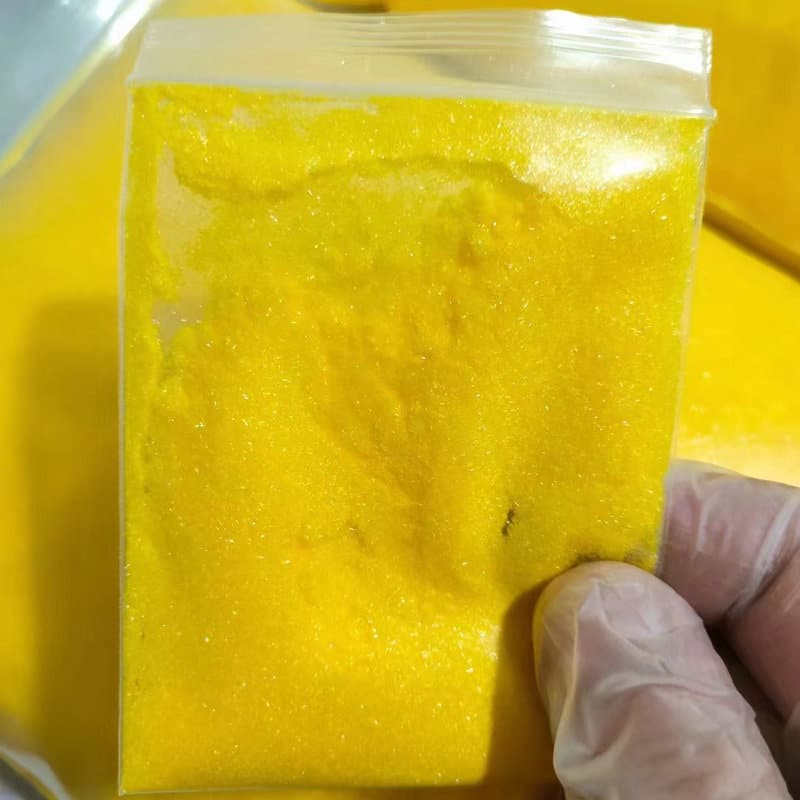
Retinal and retinaldehyde are two names for the same vitamin A derivative. There is no chemical difference between them when both names refer to the same molecular form. In skincare, retinal is commonly used as the shorter ingredient name, while retinaldehyde is the more descriptive chemical name. Both terms generally refer to the ingredient identified as CAS 116-31-4, particularly its all-trans form.
Retinaldehyde belongs to the retinoid family and is widely studied for its potential to improve the appearance of fine lines, uneven skin texture, and photoaged skin. It is also an intermediate in the conversion of retinol into retinoic acid.
This guide explains the relationship between retinal and retinaldehyde, their benefits for skin, their differences from retinol and tretinoin, and the important considerations for skincare users and cosmetic formulators.
What Is Retinaldehyde (Retinal)?
Retinaldehyde, often abbreviated as retinal or RAL, is an aldehyde form of vitamin A. It is naturally involved in vitamin A metabolism and plays a role in biological processes, including vision.
In cosmetic skincare, retinaldehyde is primarily used as a topical retinoid ingredient. Unlike retinol, which undergoes two oxidation steps to form retinoic acid, retinaldehyde requires only one oxidation step.
Retinoic acid is the form that directly interacts with nuclear retinoic acid receptors to regulate retinoid-responsive gene expression. This biochemical relationship explains why retinaldehyde is considered a relatively direct precursor of retinoic acid.
Retinaldehyde Chemical Information
| Property | Information |
|---|---|
| Common Name | Retinal |
| Alternative Name | Retinaldehyde |
| Other Names | All-trans-Retinal, Vitamin A Aldehyde, Retinene |
| CAS Number | 116-31-4 (all-trans-retinal) |
| Molecular Formula | C20H28O |
| Molecular Weight | 284.44 g/mol |
| Chemical Family | Retinoids |
| Functional Group | Aldehyde (-CHO) |
| Common Cosmetic Applications | Anti-aging and skin-texture formulations |
| Reference Database | PubChem CID 638015 |
The identity, molecular formula, synonyms, and CAS number can be verified in the PubChem Retinal database.
Is There Any Difference Between Retinal and Retinaldehyde?
No. Retinal and retinaldehyde refer to the same chemical compound when the same isomer is specified. The difference is terminology rather than chemical identity.
The word retinal is a shortened version of retinaldehyde. The longer name highlights the aldehyde functional group within the molecule.
However, one distinction matters in technical discussions: retinal can exist in different geometric isomeric forms, including all-trans-retinal and 11-cis-retinal. These forms are not chemically identical in their molecular geometry. Commercial cosmetic raw materials commonly identify the all-trans form using CAS 116-31-4.
Therefore, manufacturers and ingredient buyers should confirm the exact isomer, CAS number, purity, and analytical specifications rather than relying exclusively on the product name.
Why Do Skincare Brands Use Different Names?
Skincare companies may use different terminology depending on their marketing, educational content, and technical documentation.
Retinal: A shorter name commonly used in cosmetic product descriptions.
Retinaldehyde: A descriptive chemical name frequently found in technical literature and clinical studies.
All-trans-Retinal: A name specifying a particular geometric isomer.
Vitamin A Aldehyde: An alternative name describing the compound's vitamin A relationship and functional group.
These terms should not automatically be interpreted as different grades or different performance levels. The final cosmetic product's performance also depends on concentration, formulation, stability, and actual delivery to the skin.
How Does Retinaldehyde Work on the Skin?
Retinaldehyde acts as a precursor of retinoic acid. Following enzymatic conversion in the skin, retinoic acid can interact with retinoid receptors involved in cell differentiation and other biological processes.
The simplified retinoid conversion pathway is:
Retinol → Retinal (Retinaldehyde) → Retinoic Acid
Retinol must first be oxidized into retinaldehyde before it can be converted into retinoic acid. Retinaldehyde is already one step closer to the receptor-active form.
This shorter metabolic pathway provides a biochemical reason for interest in retinaldehyde. However, it does not establish that every retinaldehyde product will outperform every retinol product.
Actual clinical results depend on formulation quality, concentration, skin penetration, conversion efficiency, frequency of use, and individual tolerance.
What Are the Benefits of Retinaldehyde for Skin?
1. May Improve the Appearance of Fine Lines and Wrinkles
One of the best-studied applications of retinaldehyde is the improvement of photoaged skin.
A clinical study published in the Journal of the American Academy of Dermatology compared 0.05% retinaldehyde cream, 0.05% retinoic acid cream, and a vehicle control. The study included 125 participants in its efficacy analysis.
At 18 weeks, both active-treatment groups showed statistically significant improvements in measured wrinkle and skin-roughness features. Retinaldehyde was also better tolerated than retinoic acid in this study.
These findings support the use of properly formulated retinaldehyde products for improving certain visible signs of photoaging.
2. Helps Improve Uneven Skin Texture
Retinoid signaling participates in the regulation of epidermal differentiation and renewal. With consistent use, topical retinaldehyde formulations may help improve the appearance of rough or uneven skin.
Improvements are generally gradual rather than immediate. Users should assess results over multiple weeks while monitoring skin tolerance.
3. May Improve the Appearance of Photoaged Skin
Photoaging describes changes caused by repeated exposure to ultraviolet radiation. Common signs include fine lines, roughness, and uneven pigmentation.
Clinical research has investigated retinaldehyde concentrations such as 0.05% and 0.1% for photoaged skin. The evidence suggests that suitable retinaldehyde formulations may improve some visible photoaging-related features.
Retinaldehyde does not replace sunscreen, which remains essential for preventing additional ultraviolet damage.
4. Has Potential Applications in Acne-Prone Skin
Retinaldehyde has also been investigated for acne-related applications.
Laboratory and small clinical studies have reported antibacterial activity against Cutibacterium acnes, formerly known as Propionibacterium acnes.
One published study found that topical 0.05% retinaldehyde was associated with reduced bacterial counts in treated skin areas.
Nevertheless, these findings should not be interpreted as proof that cosmetic retinaldehyde products are equivalent to established prescription acne medications. Anyone with persistent or moderate-to-severe acne should seek individualized dermatological advice.
Retinaldehyde vs Retinol: What Is the Difference?
Although retinaldehyde and retinol belong to the same retinoid family, they are different chemical compounds.
The primary distinction lies in their functional groups and positions within the retinoid metabolic pathway.
| Feature | Retinaldehyde (Retinal) | Retinol |
|---|---|---|
| CAS Number | 116-31-4 | 68-26-8 |
| Molecular Formula | C20H28O | C20H30O |
| Functional Group | Aldehyde | Alcohol |
| Conversion to Retinoic Acid | One oxidation step | Two oxidation steps |
| Cosmetic Applications | Photoaging and skin texture | Photoaging and skin texture |
| Irritation Potential | May cause dryness and irritation | May cause dryness and irritation |
| Product Performance | Depends on concentration and formulation | Depends on concentration and formulation |
Is Retinaldehyde Stronger Than Retinol?
Retinaldehyde is often described as a more direct retinoic acid precursor than retinol because it requires one fewer metabolic conversion step.
However, the expression "stronger than retinol" requires qualification. A shorter biochemical conversion pathway does not provide a universal numerical potency ratio or guarantee faster results in every finished product.
For consumers, the more useful comparison is between specific finished formulations supported by reliable testing.
Which One Should You Choose?
Retinol can be a reasonable starting option for people seeking a gradual introduction to topical retinoids. Retinaldehyde may interest users looking for another nonprescription retinoid option, particularly when they have already developed tolerance to retinoid skincare.
Neither ingredient is automatically suitable for every person. Skin sensitivity, product concentration, formulation, and other skincare treatments should influence the decision.
Retinaldehyde vs Tretinoin: Are They the Same?
No. Retinaldehyde is a precursor of retinoic acid, while tretinoin is all-trans-retinoic acid itself.
Tretinoin directly interacts with retinoic acid receptors and is used as a prescription medicine in many markets.
Retinaldehyde requires metabolic conversion before producing retinoic acid-mediated effects. This is a meaningful chemical and pharmacological distinction.
In a comparative clinical study, both retinaldehyde and retinoic acid improved measured photodamage features, while retinoic acid produced more local irritation.
That finding does not mean retinaldehyde and tretinoin have identical clinical effectiveness across all concentrations, products, and indications.
How to Use Retinaldehyde in a Skincare Routine
For most users starting a retinaldehyde skincare product, a gradual introduction is a reasonable approach.
Cleanse gently: Wash the face with a mild cleanser and pat dry.
Start slowly: Consider applying the product two nights per week initially, following the manufacturer's instructions.
Apply an appropriate amount: Use the amount recommended for the finished product rather than assuming all concentrations require the same quantity.
Use moisturizer: A suitable moisturizer may help reduce dryness and improve comfort.
Protect skin during the day: Apply broad-spectrum sunscreen with SPF 30 or higher and use other sun-protection measures.
Increase frequency cautiously: Adjust only if the skin remains comfortable and the product instructions allow it.
It is generally sensible to avoid introducing multiple potentially irritating skincare actives simultaneously. Users with eczema, rosacea, a compromised skin barrier, or persistent irritation should seek professional guidance.
What Concentration of Retinaldehyde Is Common in Skincare?
Clinical investigations of retinaldehyde have included formulations containing 0.05% and 0.1% retinaldehyde.
These values are examples of studied concentrations rather than universal recommendations or regulatory limits.
A higher concentration does not necessarily provide better results for every user. Formulation stability, delivery technology, tolerability, and the amount of active ingredient remaining during shelf life all matter.
Cosmetic formulators should evaluate the applicable regulatory requirements in their target market and conduct suitable stability and safety assessments before commercializing a product.
Does Retinaldehyde Cause Side Effects?
Like other topical retinoids, retinaldehyde may cause temporary adverse skin reactions, particularly during the initial period of use.
Potential reactions include:
Skin dryness and tightness
Redness or irritation
Flaking or peeling
Stinging or burning sensations
Increased sensitivity in some users
Severity depends on the individual and the finished formulation. If irritation becomes significant or persistent, discontinue use and consult a qualified healthcare professional.
Can Retinaldehyde Be Used During Pregnancy?
Topical retinoids are generally advised against during pregnancy. People who are pregnant, planning pregnancy, or breastfeeding should obtain medical advice before using retinoid-containing skincare products.
The American Academy of Dermatology recommends avoiding retinoids during pregnancy, including retinoid ingredients found in nonprescription skincare products.
Is Retinaldehyde Stable in Cosmetic Formulations?
Retinaldehyde contains a conjugated system of double bonds and is sensitive to environmental and formulation conditions.
Exposure to light, oxygen, and elevated temperatures can contribute to chemical degradation or isomerization.
Therefore, developing a stable retinaldehyde formulation requires attention to ingredient handling, packaging, compatibility, and storage conditions.
Important Formulation Considerations
Light protection: Consider packaging that limits unnecessary light exposure.
Oxygen exposure: Evaluate oxygen-sensitive processing and suitable packaging systems.
Temperature: Follow raw material supplier specifications for storage and processing.
Ingredient compatibility: Assess interactions with solvents, emulsifiers, antioxidants, and other components.
Stability testing: Verify active content and relevant quality characteristics throughout the intended shelf life.
Stabilization approaches may include encapsulation, optimized vehicles, protective packaging, and appropriate antioxidant systems. Their effectiveness must be demonstrated for each finished formulation.
What Should Cosmetic Manufacturers Check When Buying Retinaldehyde?
When purchasing retinaldehyde as a cosmetic raw material, manufacturers should evaluate more than the ingredient name alone.
Important considerations include verified chemical identity, purity, analytical methods, storage requirements, batch traceability, and the intended application.
Recommended Raw Material Documentation
Certificate of Analysis (COA): Batch-specific test results and specifications.
Safety Data Sheet (SDS): Hazard, handling, storage, and transport information.
Technical Data Sheet (TDS): Relevant technical specifications and handling guidance.
Identity Testing: Appropriate analytical evidence confirming the substance.
Purity Testing: An appropriate validated or qualified analytical method, such as HPLC where applicable.
Stability Information: Available guidance on storage and chemical stability.
Manufacturers should confirm whether a stated purity value refers to chromatographic area percentage, assay against a reference standard, or another analytical basis. These measurements are not automatically interchangeable.
For cosmetic product development, raw material purity alone does not establish finished-product safety, efficacy, or shelf life.
Frequently Asked Questions About Retinal and Retinaldehyde
Is retinal the same as retinaldehyde?
Yes. Retinal and retinaldehyde are two names for the same chemical compound when the same isomer is specified. All-trans-retinal is commonly identified by CAS number 116-31-4.
Is retinaldehyde another name for retinol?
No. Retinaldehyde and retinol are different vitamin A compounds. Retinol is an alcohol, while retinaldehyde is an aldehyde. Retinol can be converted into retinaldehyde as part of vitamin A metabolism.
Is retinaldehyde stronger than retinol?
Retinaldehyde is one metabolic conversion step away from retinoic acid, whereas retinol requires two steps. However, comparative strength and clinical results depend on the formulation, concentration, and individual skin response.
What does retinaldehyde do for skin?
Retinaldehyde is used in skincare formulations intended to improve the appearance of photoaged skin, fine lines, and uneven texture. Clinical studies support certain photoaging-related benefits, although results vary across products and individuals.
Can retinaldehyde help with acne?
Research has explored retinaldehyde for acne-related applications, including its antibacterial activity and effects on skin renewal. However, it should not be assumed to replace evidence-based acne medications.
Is retinaldehyde suitable for sensitive skin?
Some retinaldehyde formulations may be well tolerated, but sensitive skin can still develop dryness, redness, or irritation. Starting gradually and selecting a suitable formulation are important.
How long does retinaldehyde take to work?
Visible improvement generally requires consistent use over several weeks or longer. Some clinical studies assessed changes after 18 weeks. The exact response depends on the product, the concern being treated, and individual tolerance.
Can retinaldehyde be used every night?
Some users can eventually tolerate nightly use, but beginners may benefit from starting less frequently. Follow the product instructions and adjust according to skin response.
What is the CAS number of retinaldehyde?
The CAS number commonly used for all-trans-retinal, also called all-trans-retinaldehyde, is 116-31-4.
Is retinaldehyde the same as tretinoin?
No. Retinaldehyde is a precursor of retinoic acid, while tretinoin is all-trans-retinoic acid. They have different chemical identities and should not be treated as interchangeable ingredients.
Conclusion: Retinal and Retinaldehyde Are the Same Ingredient
Retinal and retinaldehyde are alternative names for the same vitamin A aldehyde. The key distinction is not between these two names, but between retinaldehyde and other retinoids such as retinol and tretinoin.
Retinaldehyde is one oxidation step away from retinoic acid and has been investigated for its effects on photoaged skin, fine lines, texture, and acne-related concerns.
For skincare users, choosing a suitable formulation and maintaining consistent, well-tolerated use are more important than selecting a product based on terminology alone.
For cosmetic manufacturers, confirming the compound's identity, CAS number, analytical purity, stability, and documentation is essential when sourcing retinaldehyde raw materials.
Scientific References
PubChem. Retinal, CID 638015. Chemical identity and properties.
Creidi P, et al. Profilometric evaluation of photodamage after topical retinaldehyde and retinoic acid treatment. Journal of the American Academy of Dermatology. 1998. PubMed PMID: 9843009.
Kwon HS, et al. Efficacy and safety of retinaldehyde 0.1% and 0.05% creams used to treat photoaged skin: A randomized double-blind controlled trial. Journal of Cosmetic Dermatology. 2018. PubMed PMID: 29663701.
Pechere M, et al. Antibacterial activity of retinaldehyde against Propionibacterium acnes. Dermatology. 1999. PubMed PMID: 10473957.
Pechere M, et al. The antibacterial activity of topical retinoids: the case of retinaldehyde. Dermatology. 2002. PubMed PMID: 12218231.
American Academy of Dermatology. Dermatologist-approved pregnancy skin care. Pregnancy skincare guidance.
Disclaimer: This article is intended for educational and cosmetic ingredient information only. It is not a substitute for medical advice or a finished-product safety assessment.